Met Office Predicts Mild Winter 2025 with Unlikely White Christmas in Merseyside
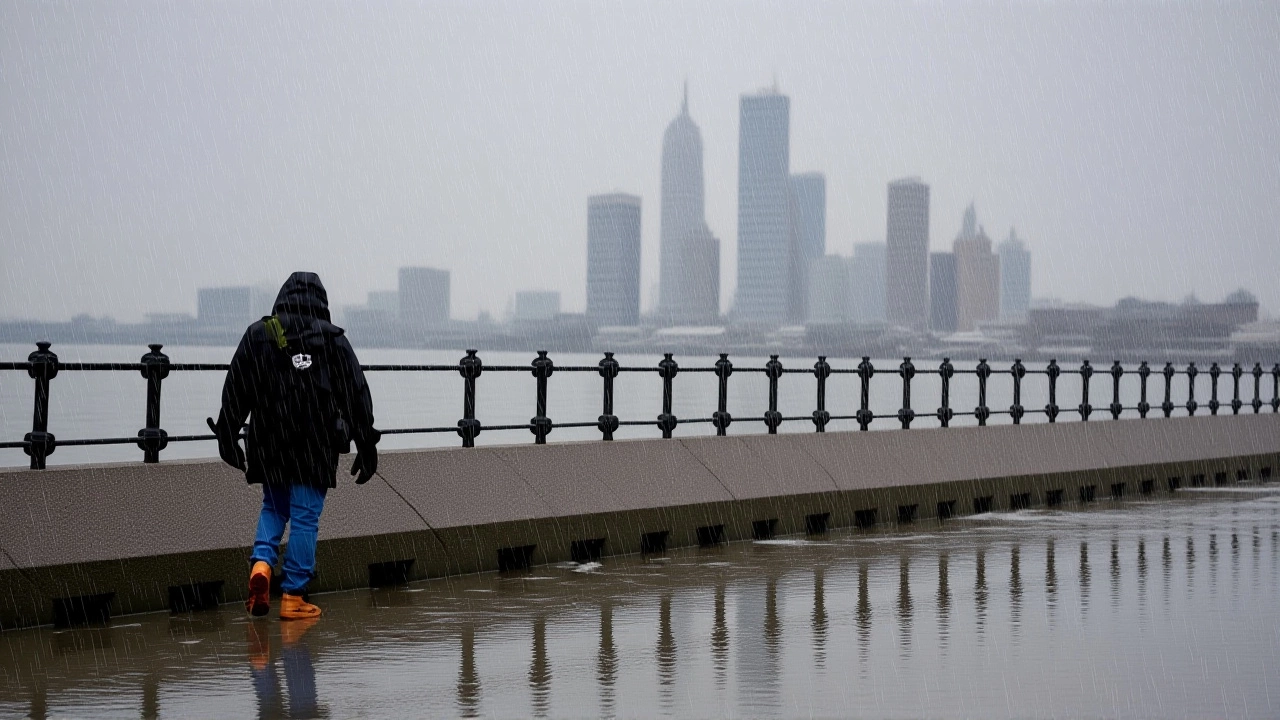
For residents of Merseyside, the dream of a snowy Christmas may be fading — again. The Met Office, the UK’s official weather service headquartered in Exeter, has released its provisional Winter 2025 forecast, and the message is clear: expect rain, wind, and very little snow — especially on Christmas Day 2025.
Winter 2025: Milder Than Average, But Still Unsettled
According to the Met Office’s ‘Seasonal Assessment – Winter 2025’ document, dated November 25, 2025, the UK is on track for a winter that’s 0.53°C warmer than the 1991–2020 average, with a projected mean temperature of 4.62°C. December 2024 alone is expected to be the fifth warmest on record. January will cool slightly, but February will rebound above average. Precipitation is forecast at 308.0 mm — just 89% of the long-term norm — meaning drier conditions overall, though still enough rain to keep umbrellas busy. Storm activity will be notable. Two named storms are already on the calendar, with Storm Darragh (December 6–8, 2024) bringing heavy rain and gales to southwest England and Wales. For Merseyside, that means frequent wind-driven showers, not snowdrifts. The Met Office’s seven-day forecast for Liverpool as of November 25 shows highs between 7°C and 15°C, lows from 2°C to 9°C, and a 30–60% chance of rain each day. "Changeable" is the official word. "Drier spells are likely, especially over the weekend," the forecast adds, "but turning colder again with overnight frosts possible."Christmas Day 2025: Snow? Almost Certainly Not
Here’s the kicker: the odds of a white Christmas in Merseyside are near zero. While the Met Office defines a "white Christmas" as a single snowflake falling anywhere in the UK between midnight and midnight on December 25, even that minimal threshold looks unlikely this year. A speculative YouTube video titled "Christmas 2025 weather – a fun and super speculative second peek," published the same day as the official assessment, analyzed atmospheric patterns at the 850 hPa level — a key altitude for temperature trends. It showed the UK under "darker pink shading," indicating above-average temperatures. "The Atlantic is pushing in from the west quite strongly," the analyst noted, "with lower-than-normal pressure south of Iceland." That’s a recipe for mild, wet air — not snow. "Snow on Christmas Day would be very unlikely," the video concluded, "apart from maybe the Scottish mountains." Historical data backs this up. Since 1960, about half of all Christmas Days have technically met the Met Office’s snowflake threshold — but in recent years, even that’s been rare. The last official white Christmas was in 2023, when 11% of weather stations recorded falling snow. None reported snow lying on the ground. Before that? 2022 (9%), 2021 and 2020 (6% each). For Merseyside, the last measurable snow on Christmas Day was in 2010.
What Residents Can Expect in Merseyside
Local forecasts from Weather2Travel.com and Weather25.com align with the Met Office’s outlook. Daytime highs in December are projected at 7°C (45°F), with lows hovering around 3°C (37°F). Rain is expected on roughly half of December’s days — a pattern consistent with the region’s maritime climate. "Warm clothes are a must," warns Weather25.com. But it’s not the biting cold of winters past. The average December temperature in Merseyside has risen by 1.8°C since the 1980s, according to regional climate data. The Met Office operates over 200 weather stations across the UK, including several in Merseyside, feeding real-time data into its models. With over 2,000 staff and a legacy stretching back to 1854, it’s the most trusted source for seasonal forecasts. But even its most advanced models can’t predict snow if the atmosphere simply won’t allow it.Why This Matters Beyond the Holidays
A mild winter isn’t just a nuisance for Christmas card wishes — it has real consequences. Fewer snow days mean less strain on road gritting budgets, but more rainfall increases flood risks. Warmer winters disrupt ecosystems: early bud bursts in trees, altered migration patterns in birds, and increased pest activity. For farmers, inconsistent frosts can damage crops. And for the energy sector, lower heating demand reduces winter peak loads — a financial win for suppliers, but a sign of deeper climate trends. The Met Office’s assessment is part of a broader pattern. The UK has now experienced 12 of its 15 warmest winters since 2000. Climate scientists point to the North Atlantic Oscillation and weakening polar vortex as key drivers. What feels like a quirky weather quirk — a snowless Christmas — is increasingly a symptom of a warming planet.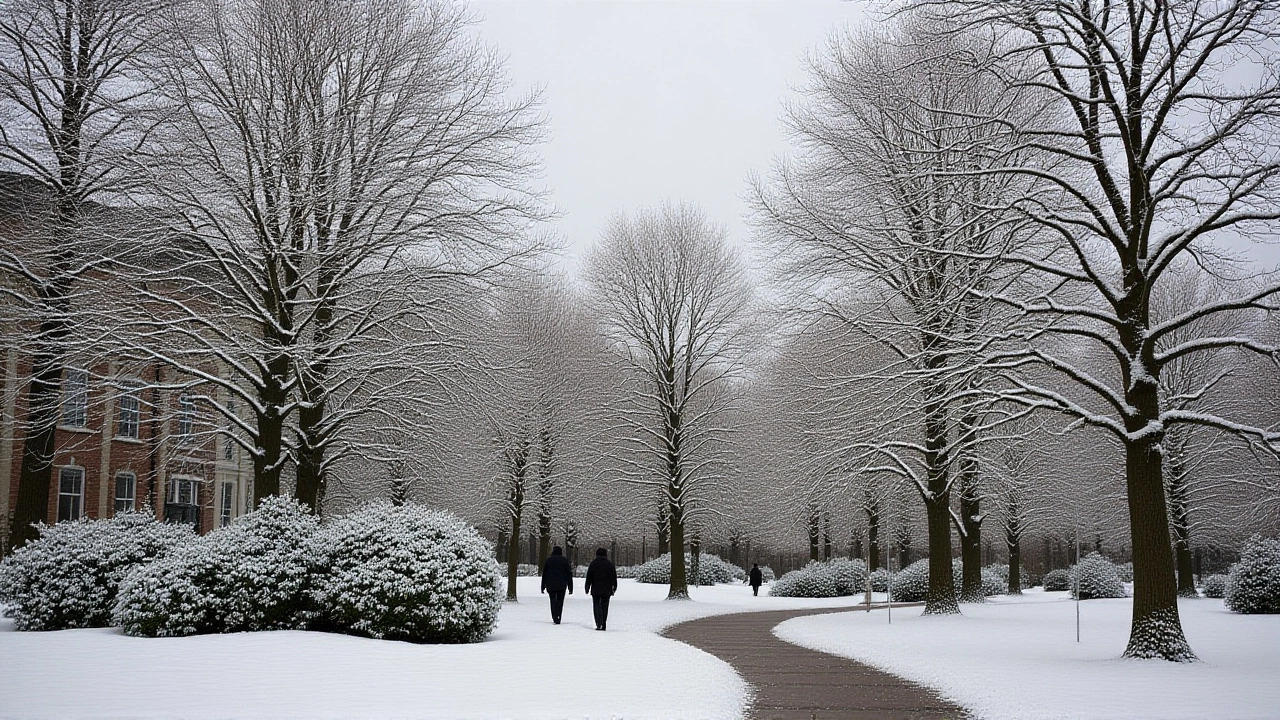
What’s Next?
The Met Office will issue its final Winter 2025 forecast in early December, with updates every five days. Residents should watch for warnings around Storm Darragh and potential flooding from prolonged rainfall. Christmas Eve 2025 will likely be damp and chilly, with temperatures around 5°C. By Christmas Day, expect gray skies, drizzle, and perhaps a brief break in the clouds — but no snow. The last time Merseyside saw a true white Christmas — with snow lying on the ground — was 2009. Don’t hold your breath for 2025.Frequently Asked Questions
What defines a "white Christmas" in the UK?
The Met Office defines a white Christmas as a single snowflake observed falling anywhere in the UK between midnight and midnight on December 25, recorded by either an official observer or automated station. Snow lying on the ground is not required. Since 1960, roughly half of all Christmas Days have met this minimal standard, but snow cover is far rarer.
Why is snow so unlikely in Merseyside this Christmas?
The UK is under a strong Atlantic influence with lower-than-average pressure south of Iceland, pushing mild, moist air over the region. Atmospheric models show 850 hPa temperatures above the 30-year average — meaning the air column is too warm for snow to form or survive. Even if snowflakes formed aloft, they’d melt before reaching the ground in Merseyside.
How does this winter compare to past years?
Winter 2025 is projected to be milder than 9 of the last 10 winters. December 2024 is on track to be the fifth warmest on record. The last three winters (2022–2024) all saw above-average temperatures, and 12 of the 15 warmest UK winters have occurred since 2000. The 1960s and 1970s, by contrast, had far more consistent snowfall and sub-zero temperatures.
Is this trend linked to climate change?
Yes. The Met Office confirms that long-term warming trends are reducing the frequency and intensity of cold spells in the UK. The average winter temperature has risen by 1.5°C since 1960. While natural variability still plays a role, the increasing frequency of mild winters — and rarer snow events — aligns with global climate model projections.
When will we know the final forecast for Christmas Day?
The Met Office releases its final seasonal outlook in early December, followed by five-day forecasts updated every 12 hours. By December 20, predictions for Christmas Day will be 70–80% reliable. Until then, the current projection — mild, wet, and snow-free — remains the most probable scenario for Merseyside.