Winona Ryder Reflects on Hollywood’s Shift Away from Storytelling Amid Stranger Things Finale
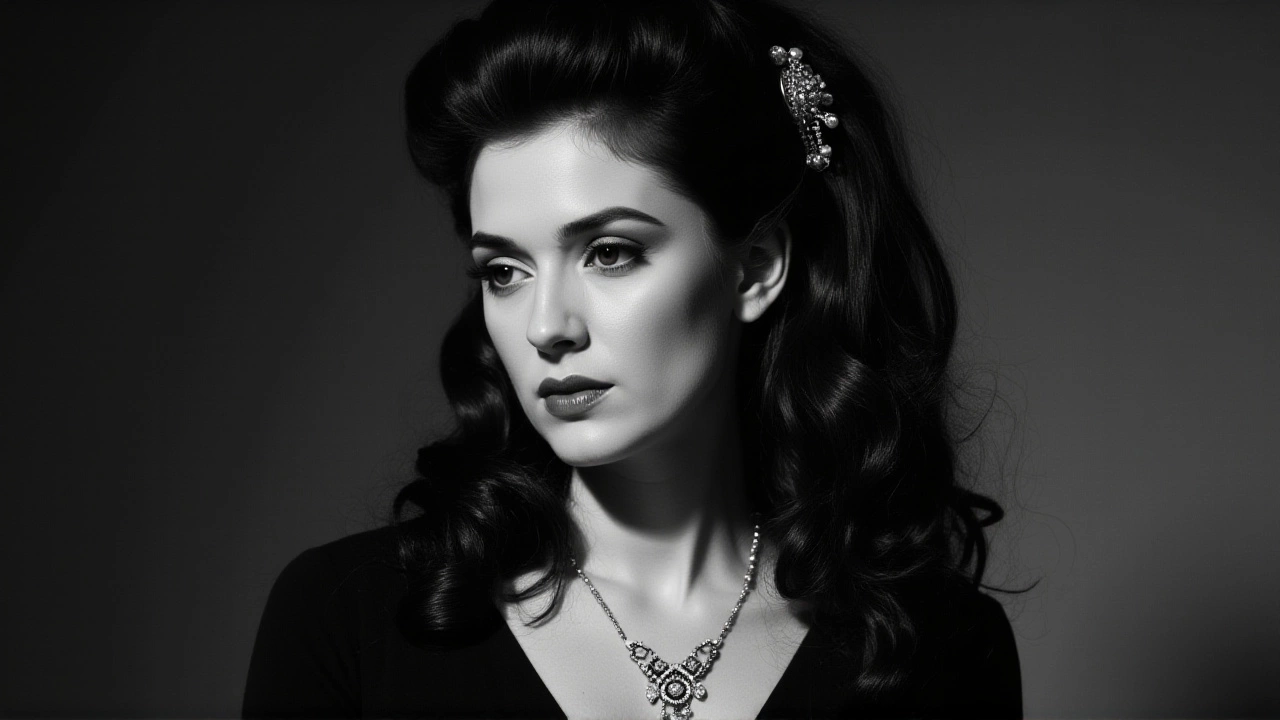
At the world premiere of Stranger Things 5 TCL Chinese Theatre in Los Angeles, Winona Ryder didn’t just walk the red carpet—she offered a quiet, devastating critique of modern Hollywood. The 53-year-old actress, best known for portraying Joyce Byers in the Netflix phenomenon, called her seven-year journey on the show ‘an honor of a lifetime.’ But beneath the warmth of that sentiment was a deeper unease: the industry she once thrived in, she says, has lost its way.
The Art of Acting vs. The Algorithm of Fame
Ryder’s comments weren’t confined to the premiere. In interviews spanning November 2025—with Tavi Gevinson for Interview Magazine and in a candid feature on rissiwrites.com—she laid bare her disillusionment. ‘Social media has changed everything,’ she said plainly. Not as a lament, but as a fact. She doesn’t have an Instagram. Doesn’t tweet. Doesn’t chase trends. And she’s noticed the cost. ‘Today the goal of teenagers is to get likes and popularity,’ she told Gevinson. ‘Actors aren’t choosing roles because they’re challenging or moving—they’re choosing them because they’ll earn them social media clout.’ It’s a shift she finds alienating. In her prime, actors studied Jodie Foster in Taxi Driver or Cathy Moriarty in Raging Bull to understand how silence could carry more weight than dialogue. Now, she says, many young performers don’t even know those films exist.‘We Want Nuanced. Not Just Strong’
Ryder’s career has always been defined by complexity. From Beetlejuice to Girl, Interrupted, she played women who were fractured, quiet, haunted—not just heroines. She’s been offered ‘witch roles before witches were cool,’ she joked, but that’s not the point. The point is, she’s always been drawn to roles that demand emotional excavation. ‘Women want to play complicated characters,’ she said. ‘Nuanced. We don’t necessarily want to play strong. We want something to work with!’ That line stuck with me. It’s not about power—it’s about depth. And she’s frustrated that too many scripts now offer either the ‘strong female lead’ cliché or the damsel in distress. No in-between. No gray. No humanity. She recalled watching Alice Doesn’t Live Here Anymore as a teenager and being stunned by the lead’s messy, unpolished realism. ‘That performance and that casting choice, both so genius,’ she said, admitting she couldn’t remember the plot—but she remembered how it felt. That’s what she misses now: the feeling.
Tim Burton, Jason Robards, and the Directors Who Saw Her
Ryder’s reverence for craft extends to the people who shaped her. She spoke with quiet awe about Tim Burton, the director who gave her her breakout role in Beetlejuice. ‘He doesn’t watch in video village,’ she said. ‘He’s right there. And everything really, really matters to him.’ She remembered being 15 and hanging out with Jason Robards, the legendary actor known for his raw, unvarnished performances. ‘He didn’t talk about fame,’ she said. ‘He talked about truth.’ That’s the standard she still holds herself to. Even on Stranger Things, she found that same dedication. She recalled the catharsis of wielding the axe in season one—not because it was cool, but because it was the only way to channel Joyce’s terror and grief. ‘You want to release it in an aggressive way,’ she said, ‘but not on a person.’ And then there was the moment she danced with Shawn Ashmore (Leigh) to Kenny Rogers and Dolly Parton on set. ‘That’s the stuff you carry,’ she said. Not the memes. Not the trending hashtags. That.The Generational Divide
What struck me most wasn’t her criticism—it was her loneliness. She doesn’t hate the new generation. She just doesn’t recognize them. ‘I don’t mean to sound so hopeless,’ she told the Los Angeles Times. ‘There are a few that are just not interested in movies.’ That’s the quiet tragedy here. She’s not anti-technology. She’s pro-depth. She’s not resisting change—she’s mourning what got lost in it. The idea that acting could be sacred. That a performance could be a gift, not a product. That a director’s vision mattered more than a TikTok sound.
What’s Next for Winona Ryder?
With Stranger Things 5 set for global release on Netflix, Ryder’s role as Joyce Byers may be closing—but her voice isn’t. She’s quietly developing a project with a small indie studio, something ‘about women who’ve been written out of history.’ No press tour. No influencer collabs. Just a story. She still reads physical books. Listens to vinyl. Goes to theaters alone. And when she talks about the old films—Dodsworth, The Deer Hunter—her voice softens. Like she’s remembering a language no one speaks anymore.Frequently Asked Questions
Why does Winona Ryder criticize social media in acting?
Ryder believes social media has shifted actors’ motivations from artistic depth to viral popularity. She’s observed young performers choosing roles based on potential likes rather than emotional complexity, which she sees as a betrayal of storytelling’s core purpose. Her own career, built on nuanced roles in films like Girl, Interrupted, was shaped by immersion—not metrics.
How has her role in Stranger Things shaped her view of modern television?
Playing Joyce Byers for seven years allowed Ryder to witness the growth of young actors like Millie Bobby Brown and Finn Wolfhard firsthand. She called it ‘one of the most beautiful experiences’ of her life—not because of fame, but because of the genuine, collaborative environment the Duffer Brothers fostered. It stood in stark contrast to the performative culture she sees elsewhere in Hollywood.
What films does Winona Ryder admire, and why?
She frequently references Taxi Driver, Raging Bull, and Alice Doesn’t Live Here Anymore for their raw, unfiltered female performances. She praises Jodie Foster and Cathy Moriarty not for their strength, but for their vulnerability and complexity. These roles, she says, taught her that acting isn’t about being liked—it’s about being felt.
Did Winona Ryder attend The Actors Studio?
No, she did not attend The Actors Studio, despite mentioning its methods in interviews. She studied films obsessively instead, learning from performances rather than classrooms. Her approach was self-taught, rooted in watching and absorbing—especially the work of actors from the 1970s who prioritized emotional truth over technique.
What’s the significance of her mentioning Jason Robards?
Robards, a two-time Oscar winner known for his unpretentious, deeply human performances, represented the old guard of acting—grounded, quiet, and emotionally honest. Ryder, at 15, absorbed his lack of vanity and focus on truth. His influence, she implies, is why she still resists the performative culture of today’s Hollywood.
Is Winona Ryder retiring from acting?
Not at all. She’s currently developing an indie project focused on forgotten women in history. She’s not chasing streaming deals or franchise roles. Instead, she’s seeking stories with emotional weight, even if they’re small. Her goal remains the same: to tell stories that linger, not ones that trend.