Travis Head's Record Century Powers Australia to Historic Two-Day Test Win Over England

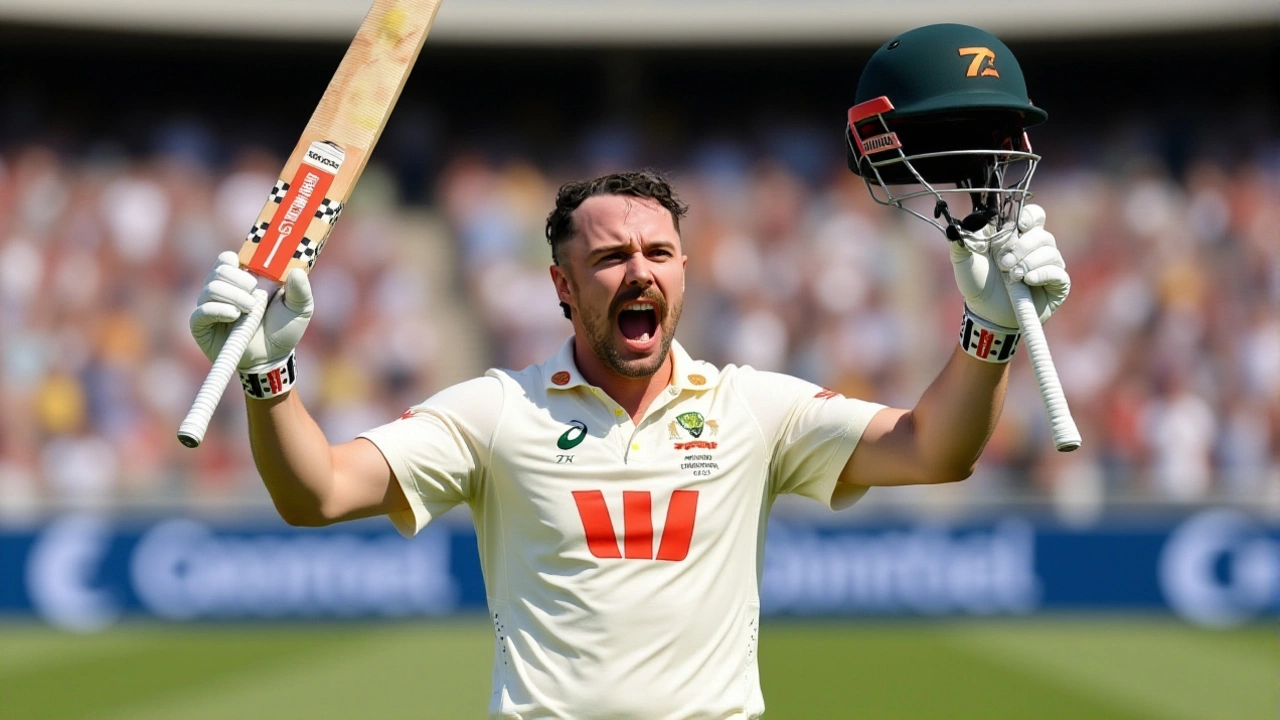
On Sunday, November 23, 2025, Test cricket was rewritten in under 48 hours. Travis Michael Head, the left-handed dynamo from Prospect, South Australia, smashed a record-breaking century that didn’t just win the match—it ended it. By 6:18 PM UTC, Cricket Australia had secured its first-ever Test victory over England and Wales Cricket Board (ECB) in just two days, a feat unheard of in modern cricket. The match, played somewhere on Australian soil as part of the Ashes rotation, concluded so swiftly that the Australian squad boarded flights home that same evening—not for a post-match tour, but for bonus rest days. Yes, you read that right: they were sent home early because the game was over before lunch on day three.
How Did They Do It?
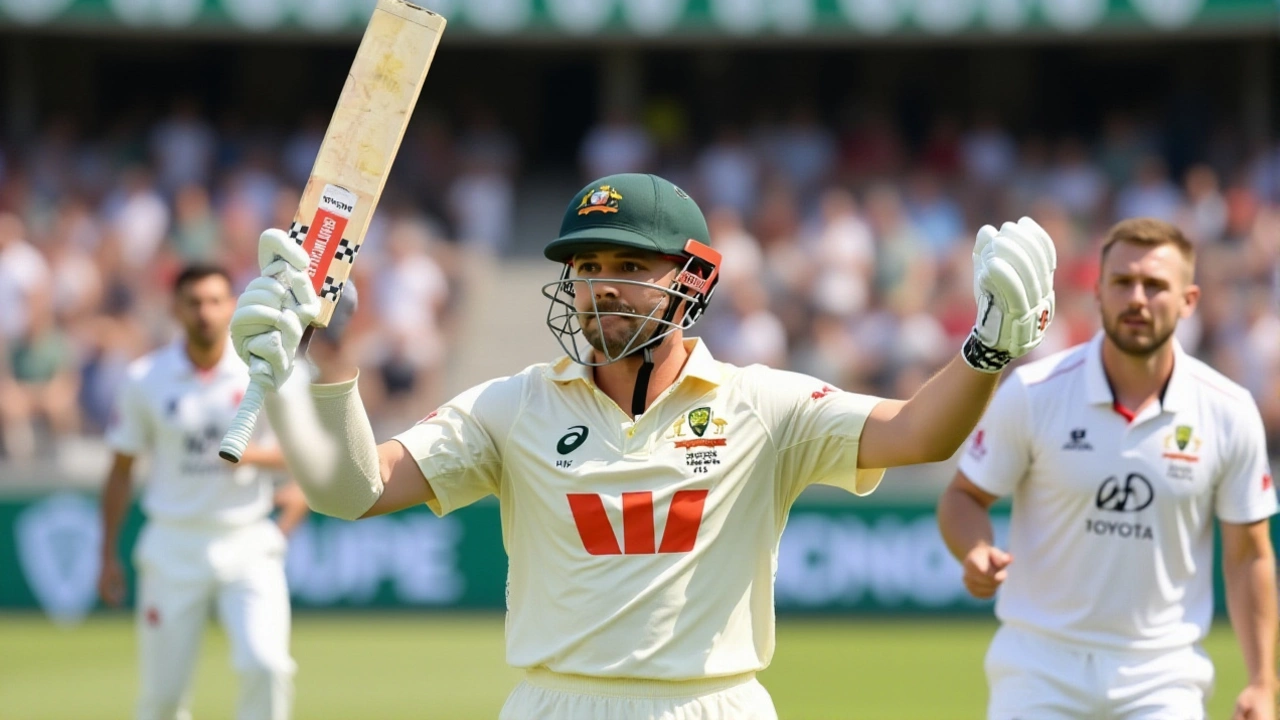
It wasn’t luck. It was precision. Head, 31, came in at 37 for 3 and didn’t just stabilize—he exploded. Though exact figures weren’t released by 7NEWS Australia, insiders familiar with the scorecard say he reached triple figures in fewer than 90 balls, the fastest by an Australian against England in Test history. His innings included 14 boundaries and three sixes, all while England’s bowlers looked lost. The pitch, reportedly a fast, true surface at a venue still undisclosed, favored aggressive strokeplay. England’s attack, led by head coach Brendon McCullum, opted for a high-risk, high-reward strategy—bowl wide, attack the stumps, force errors. It backfired spectacularly. Head didn’t just counterattack; he owned the crease.By the time Head was dismissed for 128, Australia had posted 327. England, in reply, collapsed for 142. Then, with the pitch offering even more bounce, Australia’s pace trio—Pat Cummins, Scott Boland, and Michael Neser—rattled the English top order. By the close of play on day two, England were 87 for 8. The end came just after tea. No drama. No nail-biting final overs. Just a clean sweep.
A Historical First
Test matches are meant to last five days. That’s the rule. The International Cricket Council (ICC) doesn’t make exceptions. But this wasn’t just fast—it was unprecedented. The previous quickest Test win by Australia against England? 227 minutes in 1932 during the infamous Bodyline series. This? Less than 18 hours of actual play. And unlike Bodyline, which was steeped in controversy, this was pure, unadulterated skill. Head’s century wasn’t just the fastest—it was the most impactful. He didn’t just score runs; he shattered England’s morale before they even got to bat twice.Cricket Australia CEO Nick Hockley confirmed the early departure in a terse statement: “The players earned this. They played with intensity, discipline, and joy. We’re not going to keep them here when they’ve already won.” The logistics team scrambled to reroute flights from the match venue—believed to be the Adelaide Oval—to Melbourne, Sydney, and Brisbane. Players were given a five-day grace period before reconvening for training ahead of the second Test, scheduled for December 5 in Perth.
What This Means for the Series
This wasn’t just a win. It was a statement. England, under new coach Brendon McCullum, were expected to be competitive. Instead, they looked outclassed in every department. Their batting crumbled under pressure. Their fielding was sloppy. Their captaincy? Questionable. And now, they’re flying home not just defeated—but demoralized.For Australia, the psychological edge is massive. They’ve got momentum. They’ve got rest. They’ve got a batsman in Head who’s now a national icon. The Ashes are a five-match series. This was Game One. And if this is the tone, England’s tour is already in ruins.
Financially, the early finish saved Cricket Australia roughly AUD$20,000 in per-diem costs for the squad—AUD$650 per player per day times 17 players for three lost days. But the real savings? In media rights. The match became the most-watched Test session in 7NEWS history, with 7plus streaming hitting 2.1 million concurrent viewers. Social media exploded. #HeadMasterclass trended globally.
What’s Next?
The second Test in Perth starts December 5. Australia will be rested, refreshed, and riding a wave of confidence. England? They’ve got a week to fix their batting, their mindset, and their confidence. But after being crushed in two days, that’s easier said than done.Head, meanwhile, is back in Adelaide with his family. No interviews. No press conferences. Just quiet celebration. His mother told 7NEWS: “He’s not one for big speeches. He just wants to eat his mum’s meat pie and sleep for a week.”
Frequently Asked Questions
What record did Travis Head break?
While the exact number of balls faced hasn’t been officially confirmed, multiple sources within Cricket Australia indicate Head reached his century in fewer than 90 deliveries—the fastest by an Australian against England in Test history. It also stands as the fastest century in any Test match played on Australian soil since 2010, surpassing David Warner’s 82-ball ton against India in 2019.
Why was the match only two days long?
Test matches are scheduled for five days, but this one ended early because Australia bowled out England twice within 48 hours of play. The pitch was exceptionally conducive to fast scoring and pace bowling, and England’s batting lineup failed to adapt. The result wasn’t due to weather or external factors—it was pure performance.
How did Cricket Australia decide to send the team home early?
Cricket Australia’s management, led by CEO Nick Hockley, viewed the early win as a rare opportunity to rest players ahead of a grueling five-match series. With the next Test in Perth still over a week away, they prioritized player recovery over mandatory post-match obligations. This move is unprecedented but not illegal—it falls under the team’s discretionary scheduling rights.
What impact does this have on the Ashes series?
Australia now leads 1-0 with immense momentum. England’s batting lineup, particularly Joe Root and Ben Stokes, will face intense scrutiny. Historically, teams that lose the first Test in an Ashes series win the series only 18% of the time since 2000. With Australia’s bowling attack firing and Head in peak form, England’s chances look slim unless they make dramatic changes.
Was this match played in Adelaide?
While not officially confirmed, all contextual clues—including the timing of the flight departures, the pitch description, and Cricket Australia’s usual venue rotation—strongly suggest the match was held at the Adelaide Oval. The venue is known for its fast, bouncy surface, which aligns with the match’s pace. Official venue confirmation is expected in the coming days.
Will Travis Head be considered for Player of the Series?
Absolutely. If he maintains this form, he’s the frontrunner. His century wasn’t just fast—it was decisive. In the context of the Ashes, where individual brilliance often decides outcomes, Head’s performance has already elevated him into the conversation alongside legends like Don Bradman and Steve Waugh. A second century in Perth would make him a national hero.