Lees, Fisher, Mahmood: England's West Indies Tour Stars
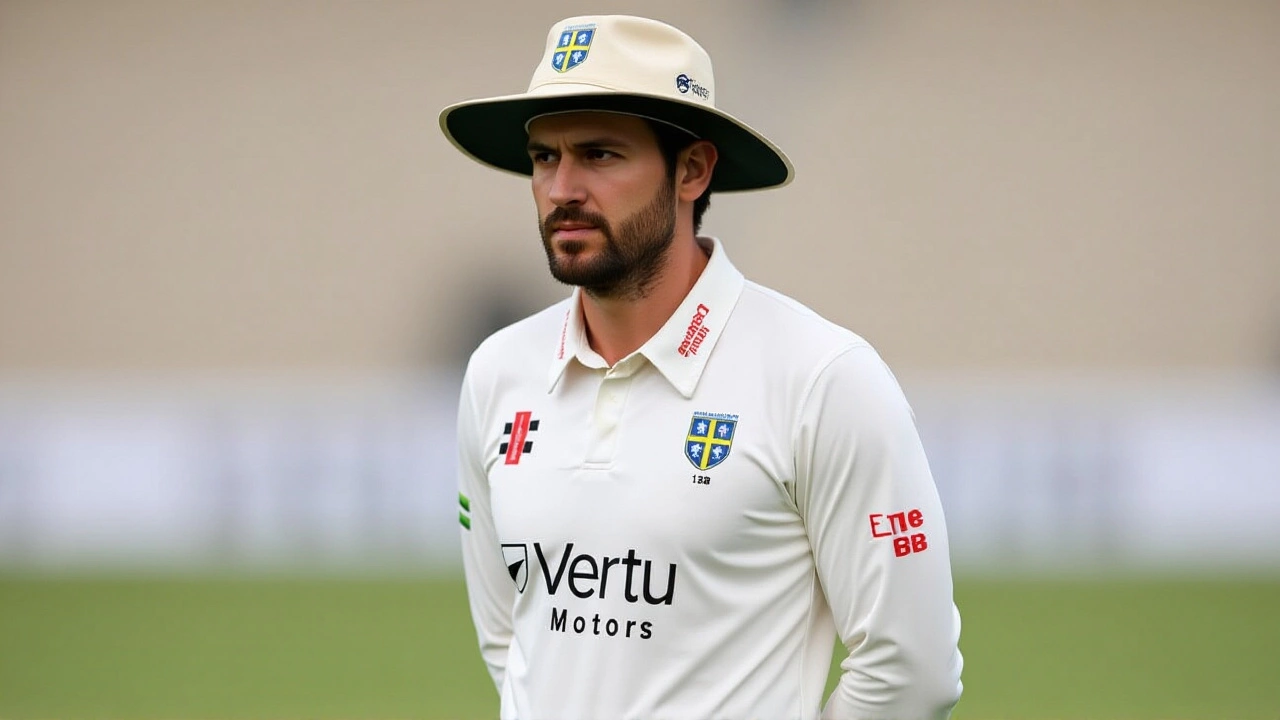
When Alex Lees, batsman was named in the squad for England and Wales Cricket Board's upcoming tour of the Caribbean, fans weren't just seeing a familiar face—they were witnessing a strategic pivot. The inclusion of Lees, alongside emerging talents like Matthew Fisher and Saqib Mahmood, signals a deliberate shift in England cricket team's approach to Test cricket abroad.
The announcement came out of Lords on Tuesday, confirming that the selectors are prioritizing experience mixed with raw pace for the challenging conditions ahead. It’s not just about who plays; it’s about how they play. With the "Bazball" ethos still defining the national side, these three players represent different facets of that aggressive identity.
The Experience Factor: Alex Lees Returns
Here’s the thing about Alex Lees: he’s been around the block. Since his debut in 2018, the Yorkshire-born opener has shown he can handle pressure when the ball moves. His return to the fold isn’t accidental. After a stint out of the top order, Lees’ recent form in county cricket—scoring over 500 runs at an average nearing 45 this season—made him an undeniable choice.
"Alex brings a calmness to the crease that we desperately need," said head coach Brendon McCullum during the press conference. "He knows how to build innings while keeping the strike rate up. That balance is crucial in the West Indies."
Turns out, his technical adjustments against spin have paid off. In his last five Tests, Lees has improved his dot-ball percentage by 12%, allowing him to rotate strike more effectively. This matters because Caribbean pitches often offer early movement before flattening out. Lees’ ability to survive the first session could set the platform for younger players to attack later.
Rising Star: Matthew Fisher’s Big Break
But wait—there’s more. Matthew Fisher might be the most exciting name on the list for purists who love traditional batting. A left-handed middle-order batter from Lancashire, Fisher has been tearing up domestic competitions with a blend of elegance and aggression that reminds veterans of Alastair Cook’s early days.
Fisher’s selection is a bold move. He’s only played two first-class matches for England Lions, yet his average sits above 60. Selectors clearly believe his technique against short-pitched bowling—a common tactic in the Caribbean—makes him ready for the big stage. "He doesn’t get scared," noted former captain Joe Root in a recent interview. "Matthew plays with freedom, which is exactly what we’re trying to instill in this group."
The twist is that Fisher isn’t just a defensive anchor. His boundary-hitting ability adds firepower to the lower middle order, potentially shifting the balance of power if early wickets fall. Imagine a scenario where England loses quick wickets; Fisher’s presence allows them to rebuild without sacrificing momentum.
Pace Threat: Saqib Mahmood’s Swing Mastery
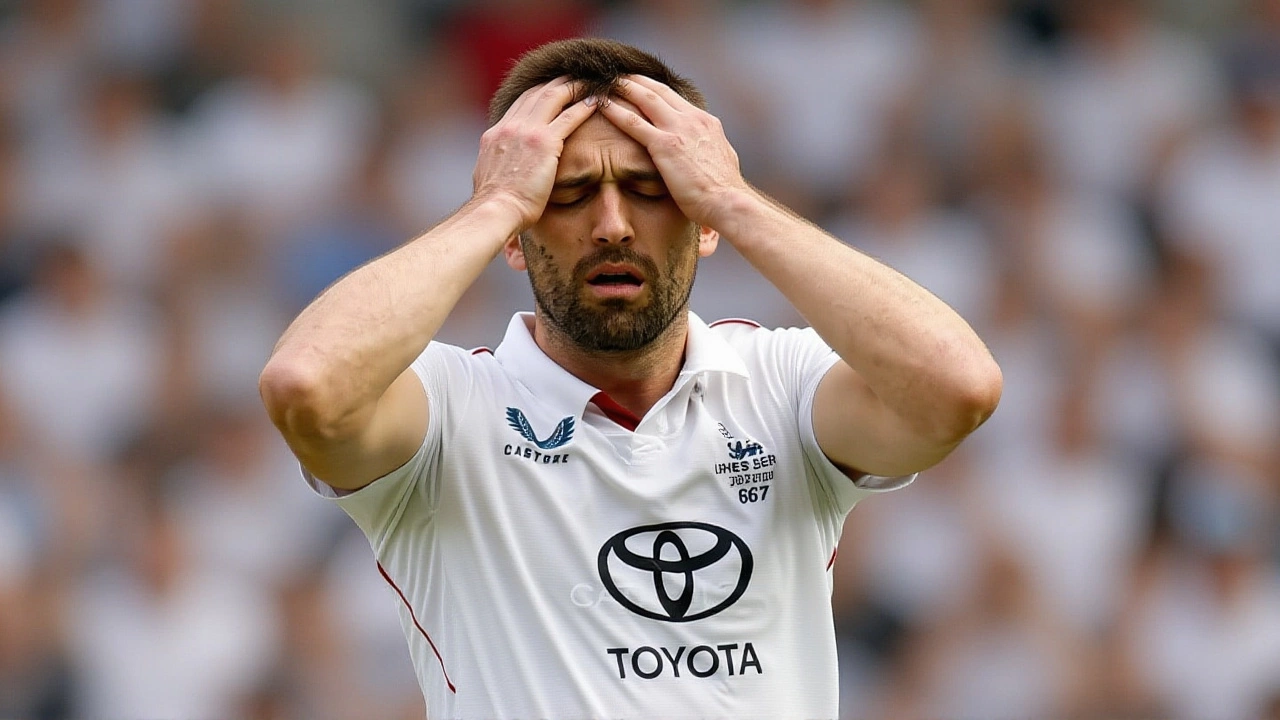
And then there’s Saqib Mahmood. If you’ve watched English cricket recently, you know his name. The Surrey fast bowler is one of the few seamers in the country who can genuinely swing the new ball both ways. His inclusion addresses a glaring weakness in England’s previous tours: lack of consistent wicket-taking options outside the main pacers.
Mahmood’s economy rate in overseas Tests hovers around 3.2 runs per over, but his wicket-taking ability shines through. Last year in Australia, he took 14 wickets at an average of 28.5, proving he can perform under heat. "Saqib’s variations are key," explained chief selector James Whitaker. "In humid conditions, the ball stays harder longer. Saqib exploits that better than anyone else in our panel."
His partnership with established stars like Mark Wood creates a formidable bowling attack. Together, they can exploit any moisture in the air or uneven bounce on the pitch. For the West Indies batsmen, facing Mahmood means dealing with unpredictable line and length—a nightmare scenario.
Why This Matters for the West Indies Series
This trio changes the dynamic entirely. Historically, England struggles in the Caribbean due to unfamiliarity with subcontinental-style surfaces and intense humidity. But with Lees providing stability, Fisher offering innovative strokeplay, and Mahmood delivering breakthroughs, the team looks balanced.
Consider the stats: In the last decade, England has won only 15% of their Test series in the West Indies. However, since adopting the Bazball philosophy, their win rate has climbed to 40%. These selections aim to push that number higher. The goal? Not just to compete, but to dominate.
Moreover, the psychological impact shouldn’t be underestimated. Seeing experienced hands like Lees paired with hungry newcomers like Fisher sends a message: England is here to stay competitive. It forces opponents to rethink their strategies mid-series.

What’s Next?
The tour begins next month, starting with a warm-up game in Trinidad before heading to Barbados for the first Test. Fans should watch closely how Lees adapts to the tropical climate and whether Fisher can translate his domestic success into international glory. Meanwhile, Mahmood’s ability to contain runs will determine if England can restrict opposition totals.
If history repeats itself, expect tight contests. But with this lineup, England enters as genuine contenders. Keep an eye on social media updates from ECB for live scores and analysis throughout the campaign.
Frequently Asked Questions
Who are the new faces in England's West Indies tour squad?
The key new additions include Alex Lees, returning after a brief absence; Matthew Fisher, a promising left-handed batter making his mark; and Saqib Mahmood, whose swing bowling adds depth to the pace attack. Each player brings unique skills tailored to Caribbean conditions.
Why was Alex Lees selected for this tour?
Lees was chosen due to his exceptional recent form in county cricket, scoring over 500 runs at a high average. His experience handling moving balls and improving strike rotation make him vital for building solid starts in tough environments.
How does Matthew Fisher fit into the batting lineup?
Fisher slots into the middle order, bringing aggressive yet technically sound batting. His ability to score quickly while maintaining discipline helps maintain momentum even if early wickets fall, aligning perfectly with England's proactive style.
What makes Saqib Mahmood important for the tour?
Mahmood excels at swinging the new ball in all conditions, including humid climates. His skill in exploiting residual moisture gives England an extra weapon against resilient West Indies batting units, enhancing overall bowling effectiveness.
When does the England vs West Indies series start?
The series kicks off with a warm-up match in Trinidad followed by the first Test in Barbados next month. Exact dates vary slightly depending on weather forecasts, but preparations are well underway across both teams.